“Our service users are essential for the effective management of the site, without them there is no allotment project”

Our allotment is located on the Grade II listed St Ann’s Allotments site in the heart of Nottingham. This historic, 75-acre site provides a thriving green space for a range of Nottingham-based community groups, individuals and families.
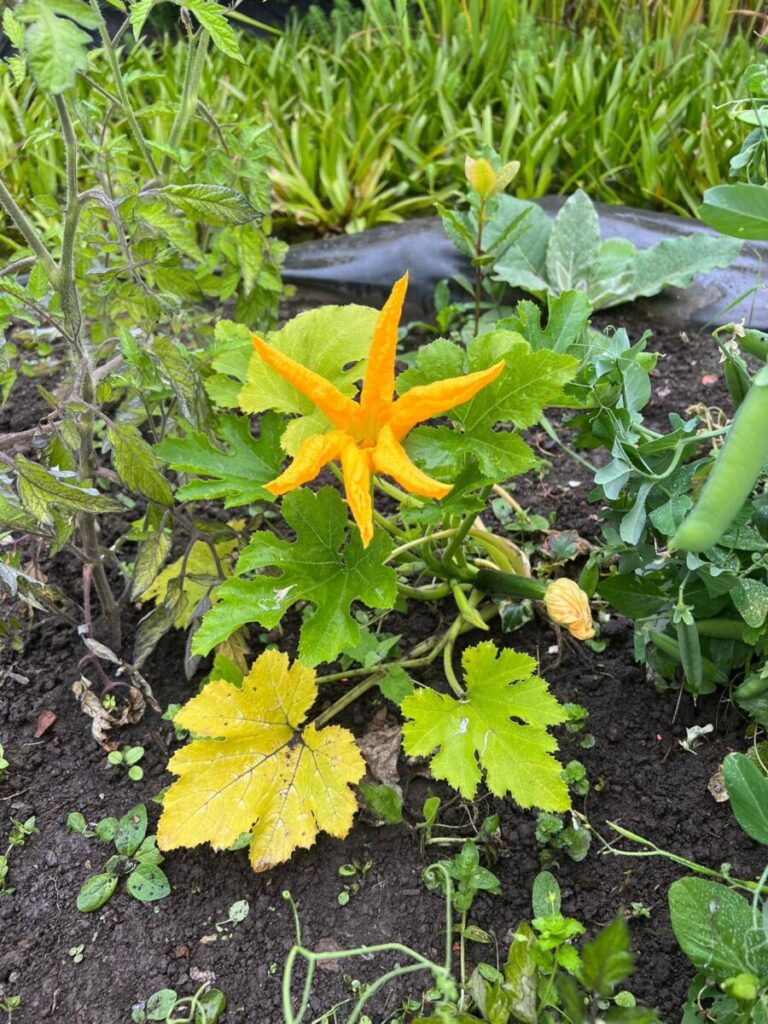
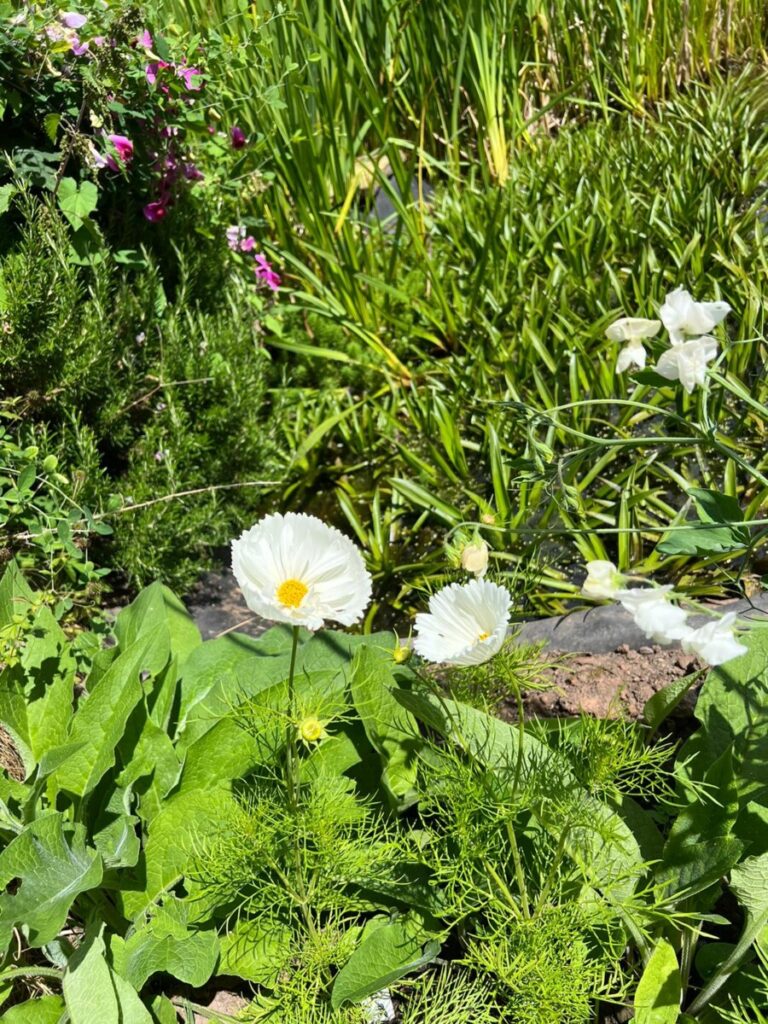
It comprising vegetable beds, a wildlife pond and fruit trees and offers an accessible, safe and supportive environment for people who are vulnerable or experiencing homelessness, allowing them to spend time outdoors and benefit from contact with nature.
Our allotment project has been running for over 10 years. During sessions our Green Activity Workers aim to support participants in four main areas:
- Improving physical health
- Promoting good mental health – by building a sense of responsibility, purpose and achievement, which helps to build confidence
- Introducing and developing skills and knowledge – helping people reach their full potential by developing gardening and maintenance skills
- Providing safe access to nature and the outdoors
What we do at our allotment project
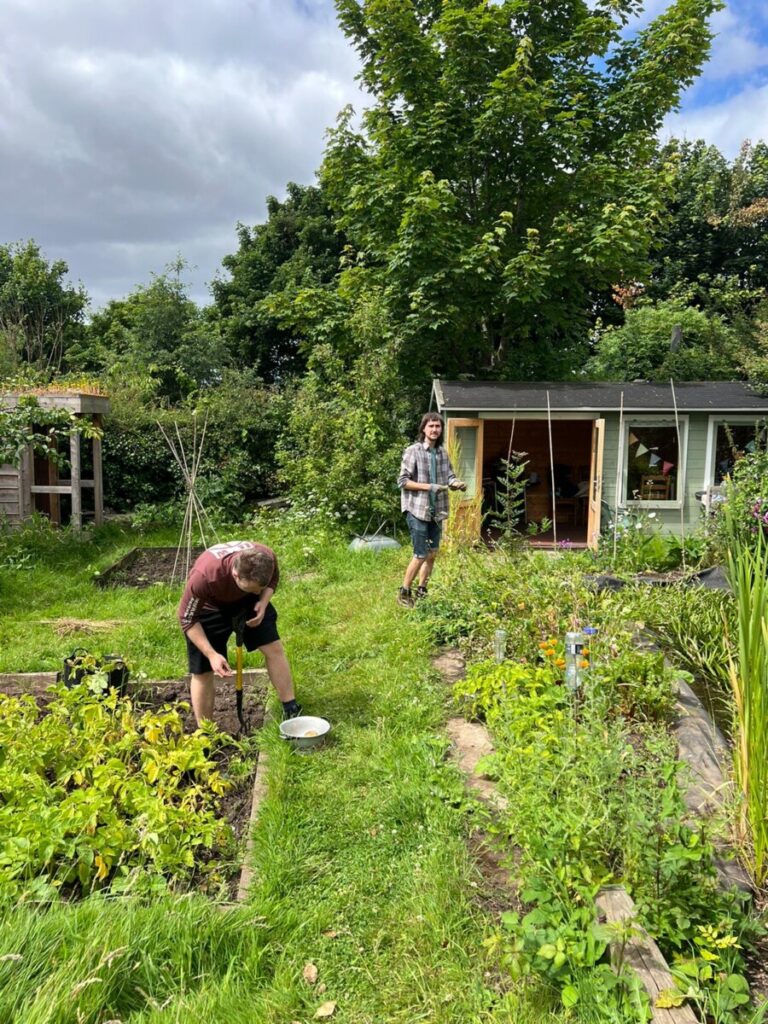
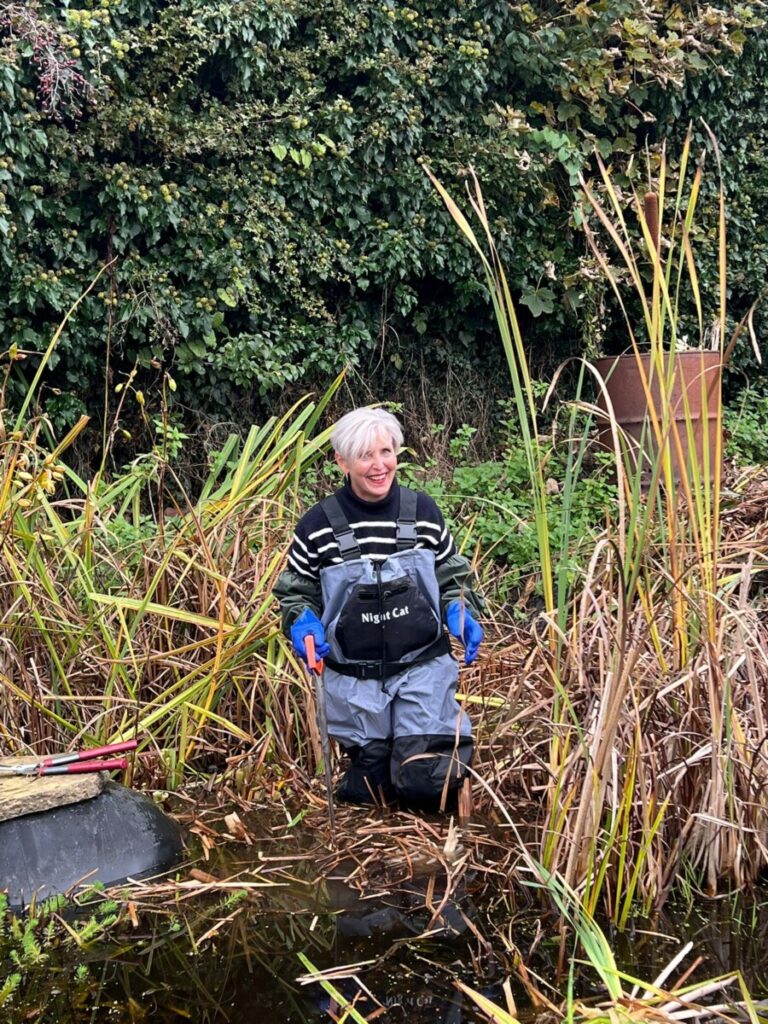
The sessions are led by two staff members and supported by one volunteer.
There are opportunities for participants to engage with physical activities including clearing and preparing the site, planting, growing, weeding and harvesting. In addition, the allotment offers a relaxed setting to learn about nature, growing produce, cooking and healthy eating, as well as an opportunity to unwind and relax. There is also time for our workers to engage with participants to provide social, emotional and psychological support, and identify issues that may require onward referral to other services.
Weekly sessions begin at Emmanuel House’s day centre in the city centre, where participants can meet for a light breakfast before travelling with staff to the allotment by taxi. Some members of the group choose to meet at the allotment gate. Each participant receives a weekly text reminder or phone call about the session, and some receive financial assistance to travel.
On site, sessions start with a hot drink and an opportunity to discuss the activities for the week, find out how everyone is feeling and introduce new members. Participants can choose what they like to do and take ownership for different aspects of the plot; some enjoy projects that take several weeks, while others like more variety. The staff take time to get to know participants and careful risk assessments are carried out so activities can be tailored to individuals’ needs.
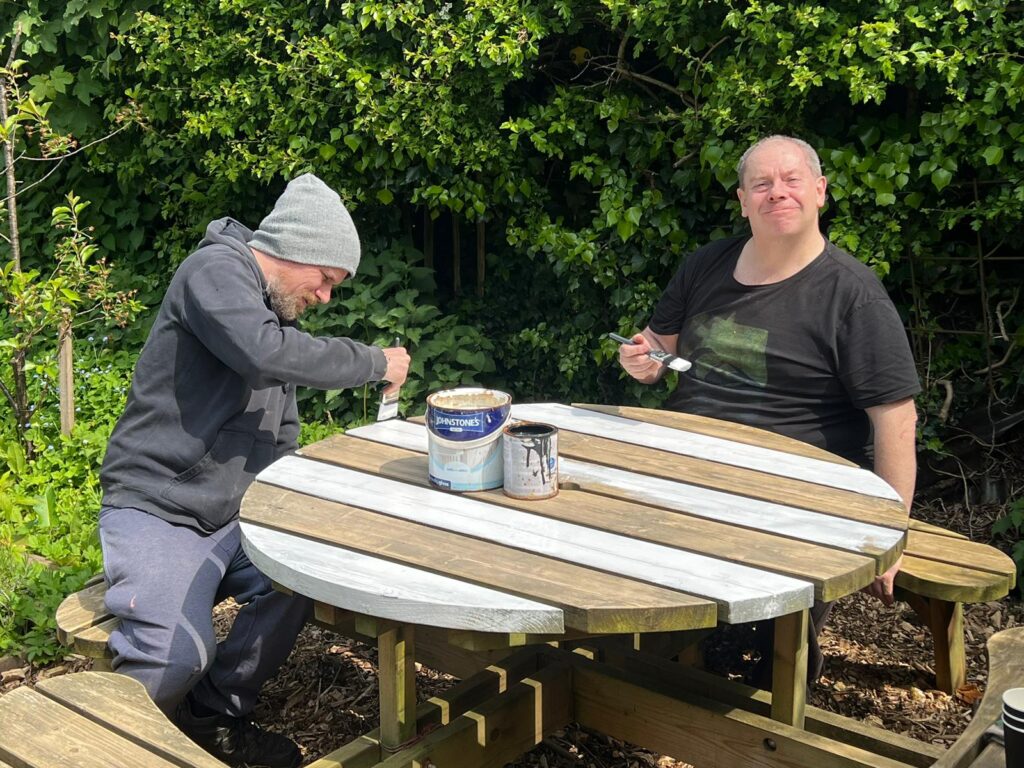
Ian* can work independently and enjoys physical activity. Over several weeks he chose to work alongside other participants to successfully create a composting area.
Daniel* enjoys talking about his working life and likes to work alongside staff and help with planting and watering. His focus is social interaction and having time to talk.
When George* started attending the allotment staff noted that his trainers were not waterproof. He was provided with a pair of walking boots, which improved his ability to participate in activities on the site.
Where required we provide appropriate clothing and footwear and a supply of waterproofs, socks, warm blankets, hats and gloves are stored on site.
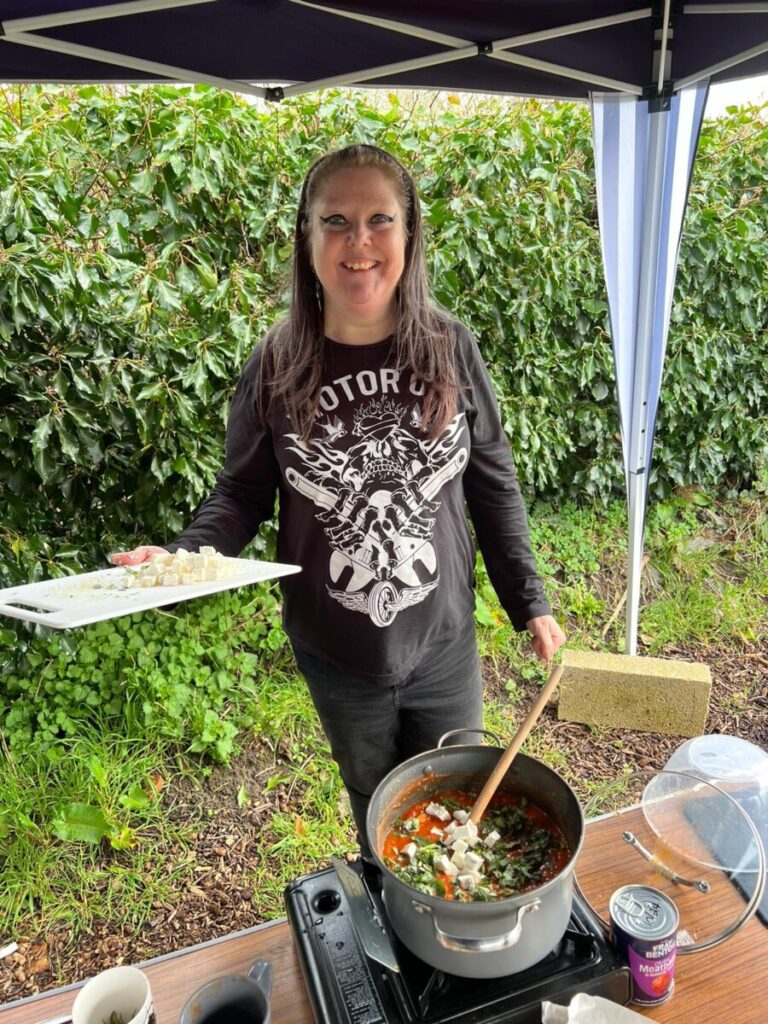
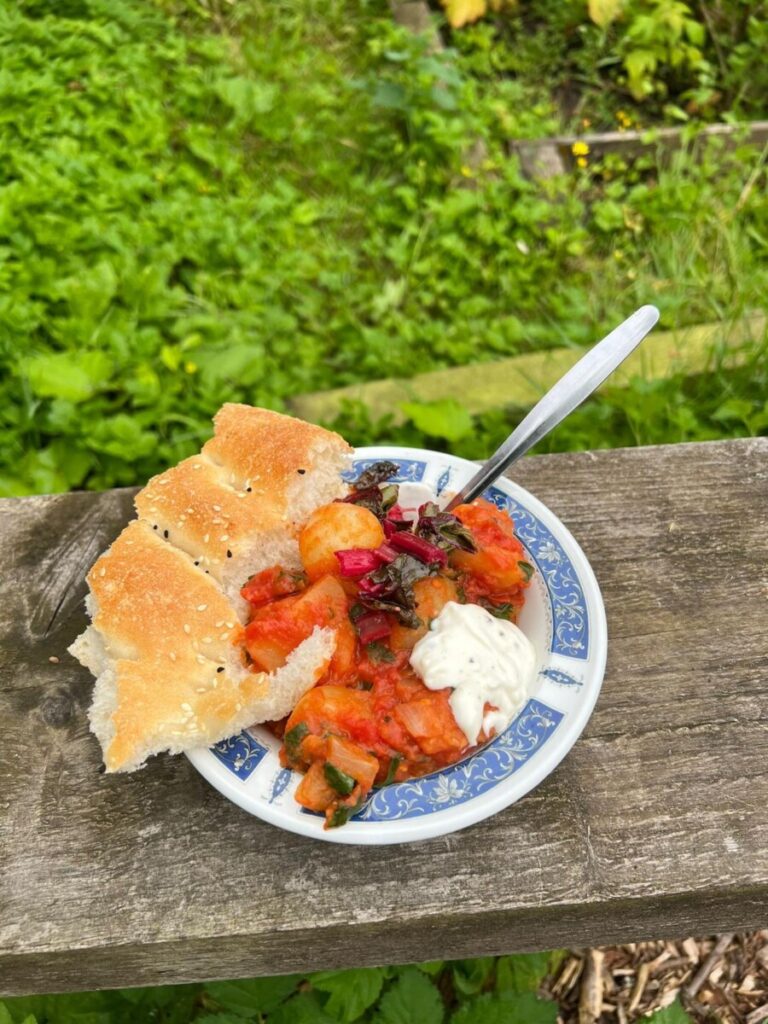
Cooking lunch is an important part of the sessions and participants help with preparing ingredients, often incorporating produce from the garden. This provides a less strenuous activity and valuable time to talk with staff. At the end of the session everyone eats a meal together and staff always thank the group for their contributions.
Referrals to our allotment project
Referrals are received internally from our Support Centre and mental health teams. The principle external referrer this year was Changing Futures, which works with people with severe or multiple disadvantages (SMD); one person made a self-referral following a recommendation from a friend.
In the autumn, we started working with Safe Roots, a supported housing provider in Nottingham, and hope to support some of their tenants to join our project in 2025.
We have also made connections with another Nottingham-based project, Wellness in Mind, which offers an eight-week rolling programme of nature-based activities for people who need mental health support. On completion of this programme, participants can be referred onto the Emmanuel House allotment project.
When a referral is received, we carry out an assessment to discuss the individual’s suitability and explore what they would like to gain from attending the sessions.
Staff can also make referrals to other agencies on behalf of allotment participants if they require additional support. This year, one service user was referred to our Wellbeing Team and two were referred to external winter allotment projects. Referrals can also be made to services based in the Support Centre, including the DWP’s benefits advice sessions, the Homeless Health Team, and designated groups for men and women.
Graham* has been attending the allotment for over a year and is well known to the staff. At one session he appeared very upset and revealed that he was struggling with a difficult family relationship. He was referred to Emmanuel House’s Wellbeing Support Team, which offered additional support, and Graham is now coping with this situation.
This year’s outcomes and achievements
From 7 March to 30 October 2024, 17 individuals attended 35 weekly sessions. The average attendance per session was 4.4 people.
This winter a monthly ‘keeping in touch day’was introduced for the first timeand nine participants attended the first session in December. Further sessions are planned for January and February.
How do service users benefit?
‘It gets rid of all my stress and anxiety and helps me feel calm and relaxed’
At the end of the project, participants were asked to complete a feedback form. On average they rated the allotment sessions as 9.5 out of 10. Of those that responded:
- 85% reported better mental health – ‘I absolutely love it so much. It gets rid of all my stress and anxiety and helps me feel calm and relaxed.’
- 85% reported feeling less socially isolated – ‘It has helped me feel closer to nature and appreciate it for my mental health.’
- 71% reported improved confidence.
- 57% reported improved physical health.
At the beginning of the season, Liam* struggled to walk to the allotment gate and got out of breath easily; the workers noticed and checked that he was getting the appropriate support for his health issues. By the end of the October, Liam could walk from the taxi to the allotment without stopping.
Who came to our allotment this year?
82% of participants identified as being male and 18% identified as female. The majority identified as White British (88%), 6% identified as Asian and a further 6% identified as White European. 65% are 25-49, 17% are 50-64, 12% are 65+ and 6% are 19-25.
Of the participants who attended the allotment:
- 24% were experiencing difficulties with their mental health
- 18% considered themselves to have a disability
- 18% were experiencing housing issues (2 people were sleeping rough and 1 person was sofa surfing)
- 18% had previous contact with the criminal justice system
2024’s large-scale allotment projects
- In the spring, the gate posts at the entrance to the allotment were replaced, allowing for safe access to the site.
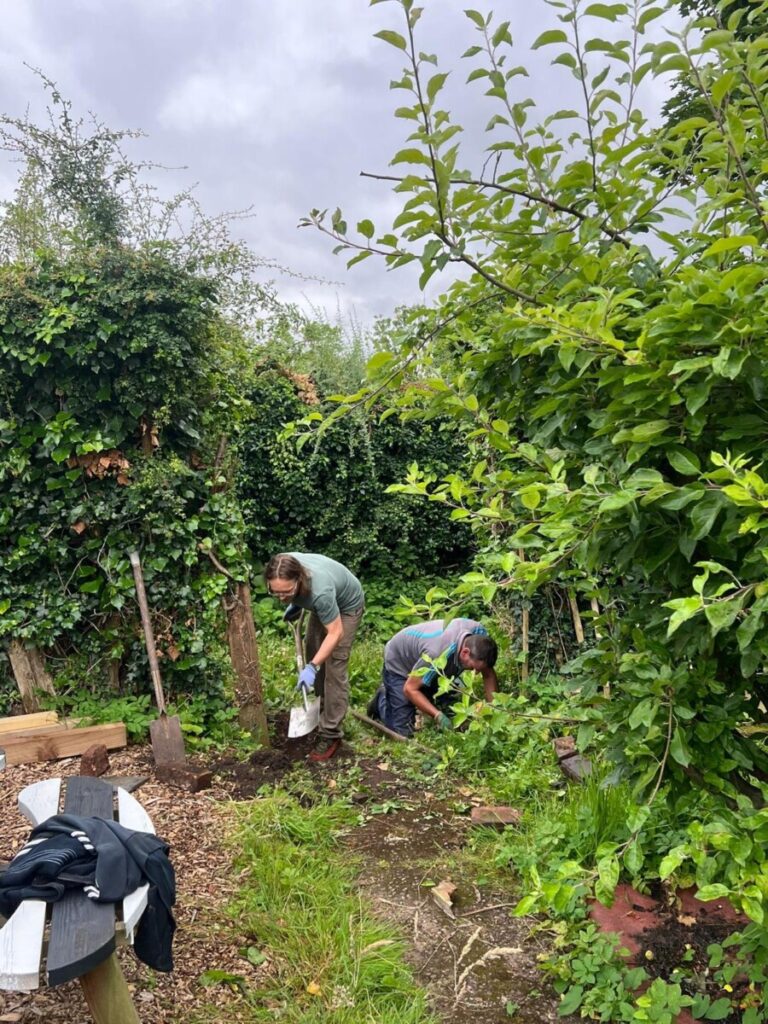
- In the summer months, several participants worked hard to clear a large area and build a composting bay from reclaimed pallets. This will enable green waste to be recycled efficiently.
- The wildlife pond, which is a focal point of the site, has been cleared and the surrounding beds prepared for a redesign and new planting in 2025.
- A volunteer helped to install rainwater collection equipment from the roof of our composting toilet and log cabin, facilitating more efficient use of water on the site.
Our aims for 2025 at our allotment
- To increase the number of people who engage with the project.
- To encourage greater diversity amongst attendees.
How we will achieve this:
- Extending weekly sessions to include a post-lunch arts and crafts session.
- Increasing staffing to allow participants to drop-in and out depending on the activities on offer.
- Providing ring-fenced sessions for defined groups of people, such as Emmanuel House’s Women’s Group and Grassroots singing group.
- Establishing a gardening group at Francis House (Emmanuel House’s longer-term single-room accommodation project), which works with many newly recognised refugees and asylum seekers. With additional funding, we plan to develop a large lawned area at Francis House into a thriving green space where residents can participate in growing their own food.
- Revising participants’ initial assessment and feedback processes so we can identify clear outcomes for the project and for participants involved in it.
- Holding an open day in early 2025 and inviting potential referral agencies to engage with the project.
Planned 2025 projects:
- Reorganise the site so we can maximise the use of raised beds.
- Introduce two waist-height raised beds to enable those with mobility issues to participate in gardening.
- Build a permanent, ergonomic, handwashing and kitchen station.
- Introduce perennial shrubs for year-round visual appeal.
- Re-mark, widen and re-lay paths where appropriate.
- Continue the redesign of the wildlife pond.
- Repair subsidence of the log cabin.
*Names have been changed to protect identities.
How we fund our allotment project
We’re incredibly grateful to the charitable trusts and businesses that enable us to run our allotment project.
We’re currently seeking funding for 2025’s allotment project. If you’d like to make a donation towards the project, please get in touch: donations@emmanuelhouse.org.uk.


