How an emotional connection and practical interventions moved Simon from isolation and rough sleeping into being housed and connecting with a community
Simon* had been living with his partner in social housing for many years, but when his partner died, he had to leave the property. He was sofa surfing with friends and family, but after a few months, he had no choice but to sleep rough in a local bus station.
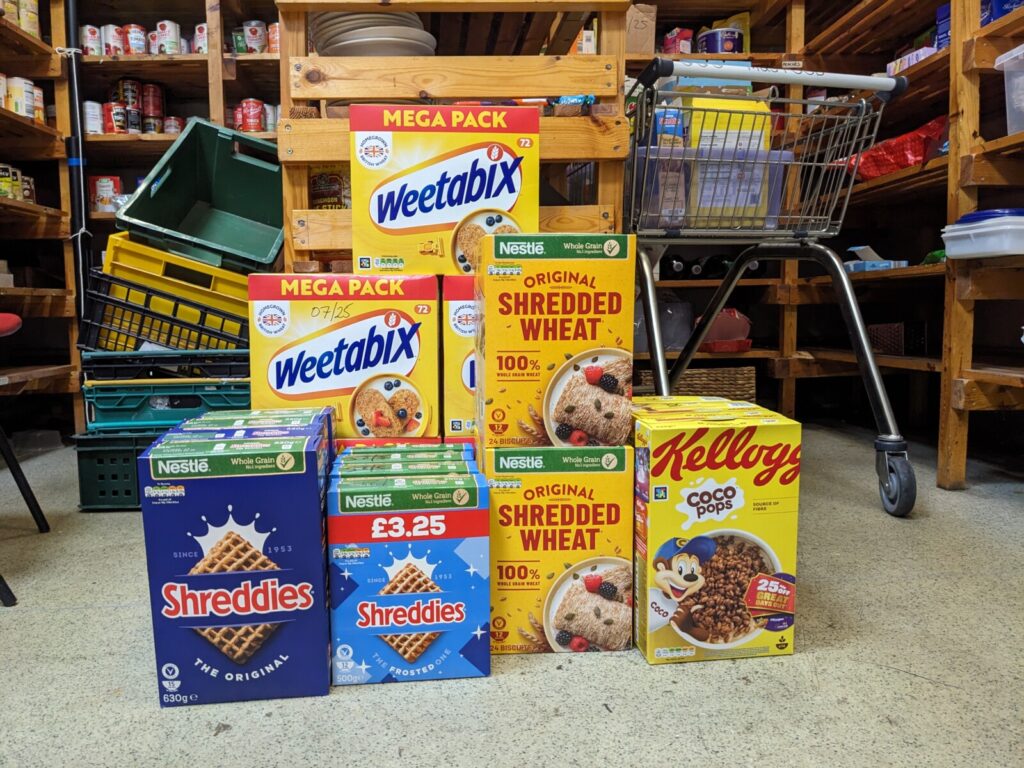
Free breakfasts at Emmanuel House every morning
He first came into Emmanuel House for our breakfast drop-in sessions. Our Wellbeing Support Worker Clare started chatting with Simon, which developed into an hour-long conversation as Simon revealed details of his situation – he really wanted someone to talk to.
Physical and mental health support
Simon was living on the streets and had an ongoing chronic health condition so at first Clare started to offer practical support. She contacted the Wellbeing Hub on Simon’s behalf to find out about clinics and services. She also worked with the Homeless Health Team’s nurses, sharing information on his condition and building strategies to support his housing case together.
Joining Emmanuel House’s afternoon activity groups
This all took time and whilst this focus on Simon’s physical wellbeing continued, Clare provided emotional support for at least an hour week. She persuaded him to join some of the afternoon social groups run by the Wellbeing Team. After being initially hesitant, he is now a regular at the Men’s Group and our board games group and is building a connection to a community.
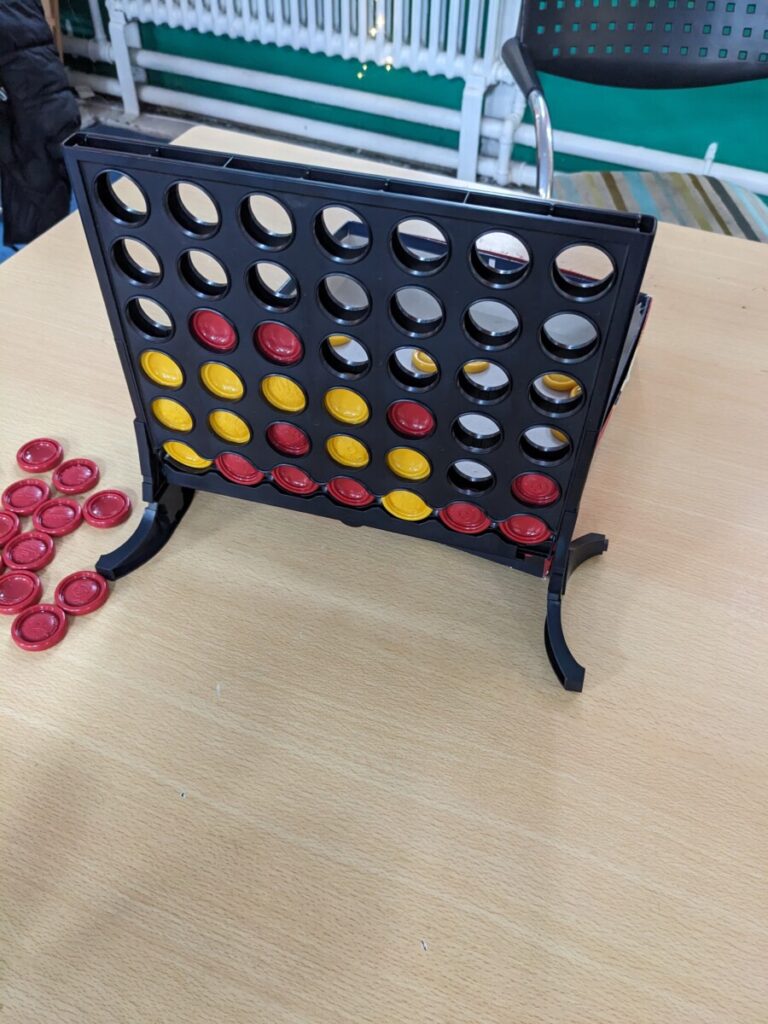
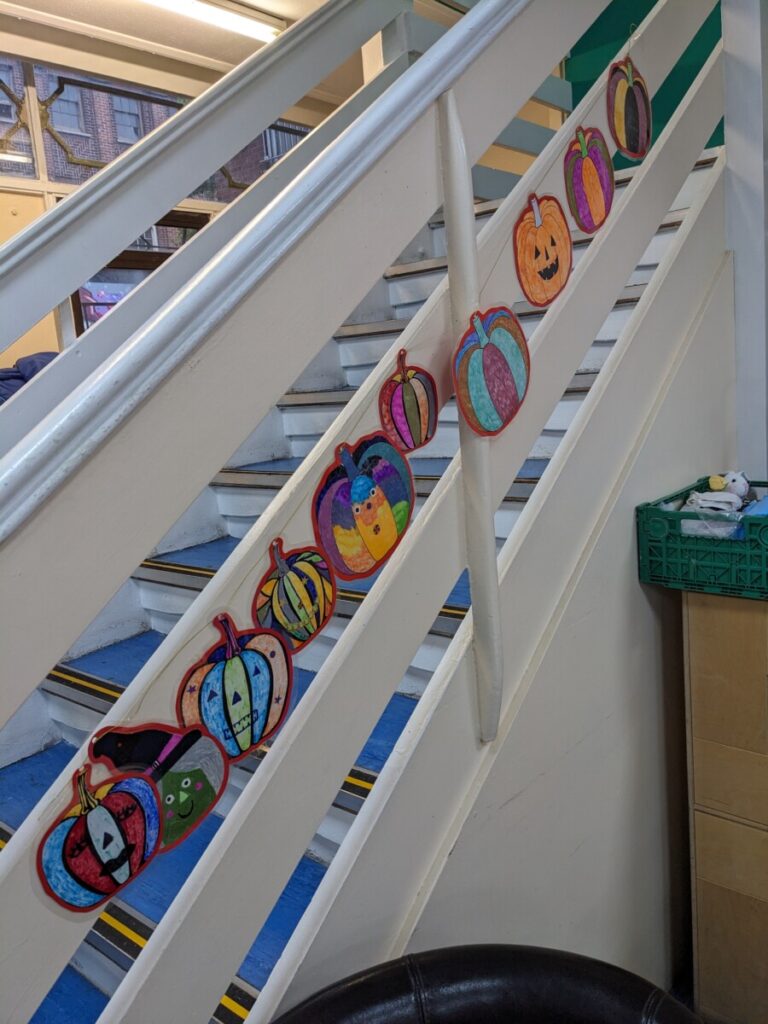
Simon is clear that this has boosted his mental health significantly. He was suffering the compounded stresses of being both street homeless and chronically ill, which left him feeling out of control and isolated. By building his connection with Clare and the groups, his social interactions increased and he started to develop a nurturing sense of belonging.

Advocating for Simon with other agencies to progress his case
Clare spoke with Simon a couple of times a week discussing his feelings, his day-to-day challenges and the circumstances which brought him to be in his current position. Through these conversations, she identified his housing case was not progressing. She got in touch with Street Outreach and discovered that a lack of ‘current assessment’ meant his case was stuck. She arranged an appointment with the City Council’s Rough Sleeper Move On Coordinator who was able to complete his assessment and refer him to NPRAS (Nottingham Private Rented Assistance Service). They agreed to work with him to find accommodation.

Emergency respite at our Winter Shelter
After a few more weeks nothing was happening. Clare again intervened and discovered that as Simon did not have a birth certificate, the process could not continue. Clare then engaged in what turned out to be a 6-week process of tracking down the missing document (which was easily discoverable once the correct location of Simon’s birth was established). Whilst waiting for the certificate to arrive, Simon stayed at our Winter Shelter, until he and a friend found a private-rented property they were able to share. Through use of the Department for Work and Pensions drop-in service at Emmanuel House, Simon understood the benefits he was entitled to and how to claim them. This made a big difference to his income and what he could afford.

Moving into a private-rented property and continuing to build a community
After 5 months working with Clare, Simon moved in to his own private-rented property. She still talks to him on a regular basis and is helping him apply for support to furnish the property. He continues to attend the various groups at Emmanuel House, building a social circle and feeling positively connected with a community. He would love to go back to work building sheds and is applying for a passport.
*Name has been changed to protect confidentiality
If you’d like to support our work and help people like Simon, please consider making a financial donation to Emmanuel House. Together we can make a difference.